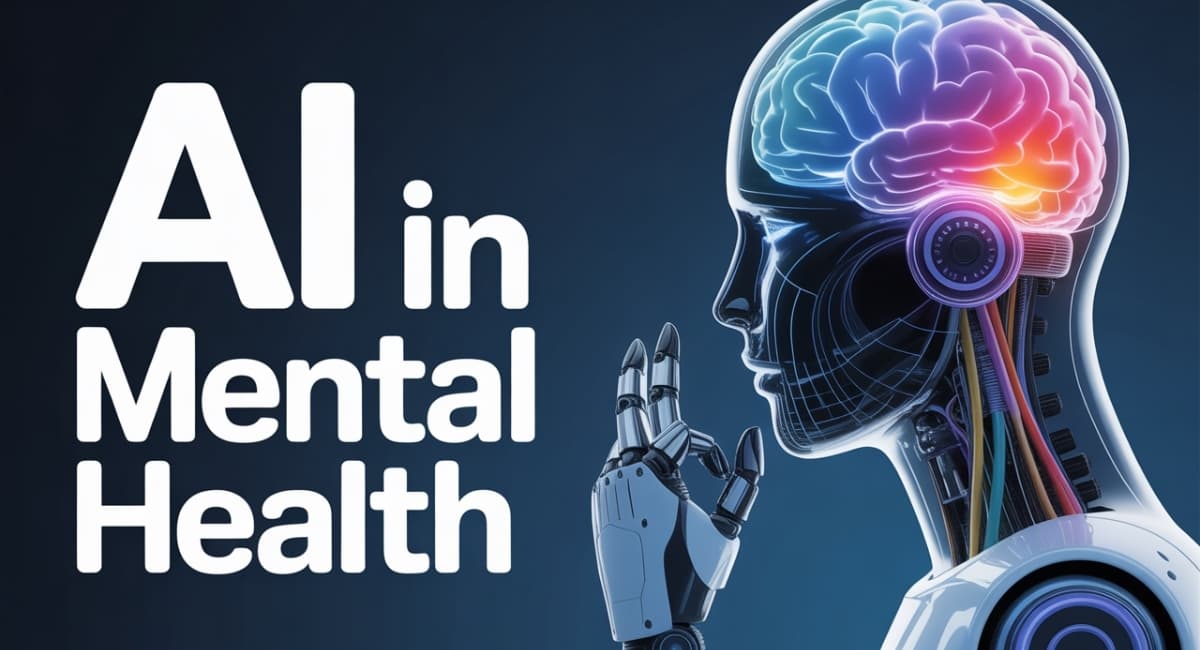
The world of AI in Mental Health is in a new era in 2025. The digital revolution in therapy is changing the way those in the UK, those in the USA and those in Canada seek emotional healing. With innovations from VirtualTherapists.io the support of mental health has become more personal, accessible and intelligent. This evolution combines artificial intelligence-driven therapy platforms with human empathy in order to create an exclusive place where technology actually knows what emotions are.
In the year 2026, AI in Mental Health is hereby a necessity in therapy and emotional care. At present, all over North America, people seek virtual consultations that help them more quickly rather than conventional counseling. Unlike the older systems, the modern-day digital mental health solutions use sophisticated algorithms that can predict human feelings with remarkable accuracy.
At the forefront of this change - VirtualTherapists.io: an innovative platform that is giving a new modern face to online therapy. It makes people connected to intelligent systems, which can listen, analyze and respond empathetically. In this context, mental wellness is not relegated to a once-per-week appointment - it is around the clock, everywhere all the time.
AI in Mental Health - the term describes using artificial intelligence in order to understand and to assist human emotions. It integrates machine learning in mental health, Natural Language Processing (NLP) and data analytics for understanding mental health behavioral patterns and assists therapists. These systems can monitor changes in moods and send warning signals and recommend personalized therapy sessions based on an individual's mental state.
Here is a comparison of how AI uses change therapy:
| Aspect | Traditional Therapy | AI-Augmented Therapy |
|---|---|---|
| Availability | Limited to office hours | 24/7 global access |
| Cost | Higher due to hourly sessions | Affordable subscription models |
| Personalization | Based on therapist’s judgment | Data-driven and adaptive |
| Speed of Diagnosis | Slower | Instant emotional analysis |
The most significant advantage of AI in Mental Health is its accessibility. Many people in remote areas of the UK, USA and Canada can now receive online counselling without having to attend in-person. AI algorithms recognize signs of stress, anxiety or depression at an early stage of development and people can receive timely care.
Another advantage is the ability to personalize an application. AI emotional support systems and virtual therapist apps will automatically modify their behavior depending on how the user responds. They provide AI tools to solve emotional problems, achieve balance of mental and emotional wellbeing. As AI is incorporated into mental health treatment, there has been more accurate insights and consistent emotional monitoring
VirtualTherapists.io has changed the way AI relates to people's emotions. Its AI-driven therapy platform lists intelligent chat interfaces and mood detection systems and language analysis to simulate human conversation in a natural manner. The platform uses data from prior therapeutic virtual sessions to make each session unique and supportive.
Its proprietary models analyse tone, word choice and sentiment to personalize the content of therapy sessions. This leads to a deeper emotional connection between the user and the AI, and further develops AI and human empathy in therapy. "The intention is not to substitute human therapists but to support them by providing them with continuous data-driven emotional support."
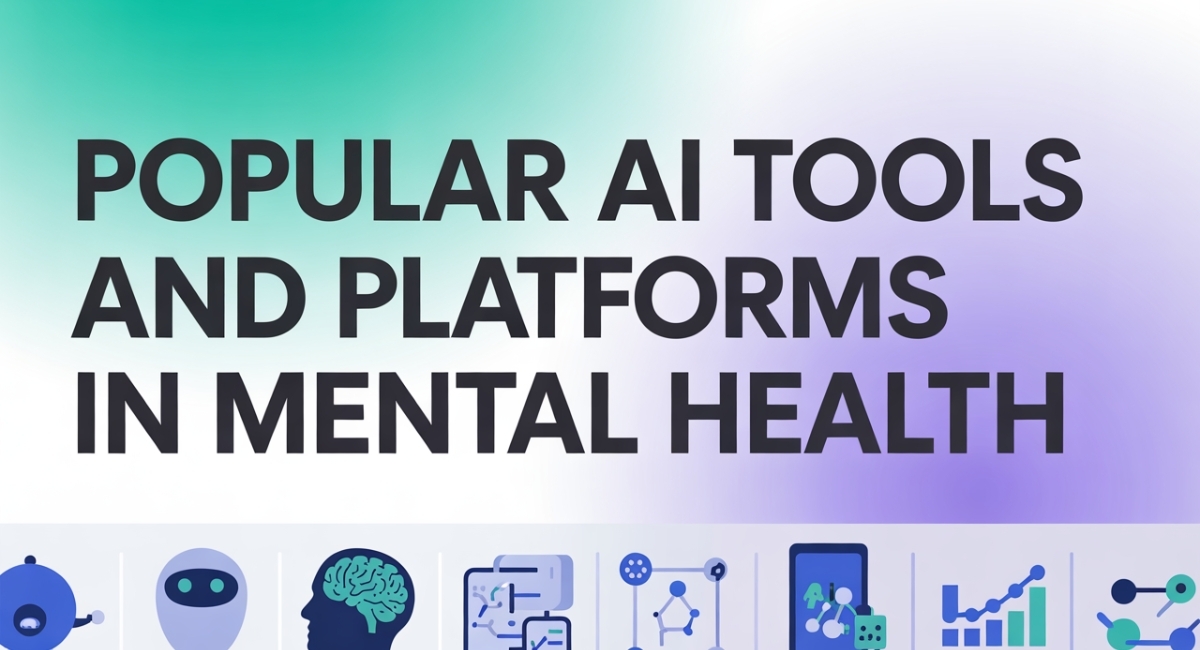
The development of digital mental health has led to a number of AI-driven solutions. Conversational therapy is happening now with apps like Woebot, Wysa and Replika. Yet, VirtualTherapists.io break predominant ground by incorporating synthetic headband appearing human medical experts with artificial mentalities to assess and track progress and emotional trends in sequential suggestions.
| Platform | Key Feature | Specialty |
|---|---|---|
| Woebot | Chat-based mood tracking | Anxiety management |
| Wysa | CBT and NLP-powered chats | Depression therapy |
| Replika | Emotional companionship | Self-reflection |
| VirtualTherapy.io | Human + AI integration | Holistic mental wellness |
AI doesn't replace therapists - it puts them in power. AI solutions for mental wellness are being used in the clinic to analyze big data by psychologists in many clinics across North America. These insights help them to identify mood patterns and predict potential break down before they happen.
With AI taking over tedious work for professionals, they have more time to spend with patients. It uses AI mental health disorders detection to call the attention of the therapists to emotional hazards. The outcome is a more responsive and data-informed form of care where human judgment and AI precision are combined.
However, despite the improvements, there are still obstacles. Privacy and sincerity represent two of the biggest issues when talking about AI in Mental Health. Storing and confidentiality of personal data is a key to building trust. Platforms also need to make sure that the AI does in fact keep ethical behavior and that it does not misinterpret the feelings of humans.
VirtualTherapists.io works around strict data protection laws and under human supervision to tackle these concerns. All its AI chatbots for therapy diagnostics maintain confidentiality, empathy, and safety. These safeguards uphold human dignity and take advantage of technology in a responsible way.
The future of AI in Mental Health is bright and very transformative. Researchers are predicting that there will be AI simulations soon that are capable of simulating greater empathy with emotion recognition algorithms. This will further humanize and make virtual therapy utilizing AI technology more intuitive.
Hybrid platforms such as VirtualTherapists.io could be common therapeutic practice by 2030 in the UK, USA and Canada. However, AI can assist in therapy by enabling the user to diagnose, instruct and motivate, so technology is going to play a central part in emotional well-being for the long-term.
AI in Mental Health which uses Artificial Intelligence to comprehend emotions, identify disorders and help them do therapy using digital mental health tools.
VirtualTherapists.io uses artificial intelligence-fueled therapy applications and virtual therapist apps to provide personalized care to patients in emotional needs and enhance the quality of therapy.
No, therapy is supported by AI, with emotional insights and availability respectively human therapists with empathy and understanding.
It provides customized therapy sessions, 24*7 support, faster diagnosis, and increased online counselling services throughout the world.
Yes, we have trusted platforms that ensure encrypted data, safe chats, and ethical uses of AI, such as the VirtualTherapists.io that makes a mental health tech platform along with its applications.
AI in Mental Health 2025 by VirtualTherapists.io Equal footing using AI across Men's and Women's health and well-being. The emphasis placed on empathy, accessibility, and innovation by the platform also enables therapy to be more inclusive to everyone.
Visit VirtualTherapists.io today and see how the future of therapy feels - human, intelligent and deeply caring.